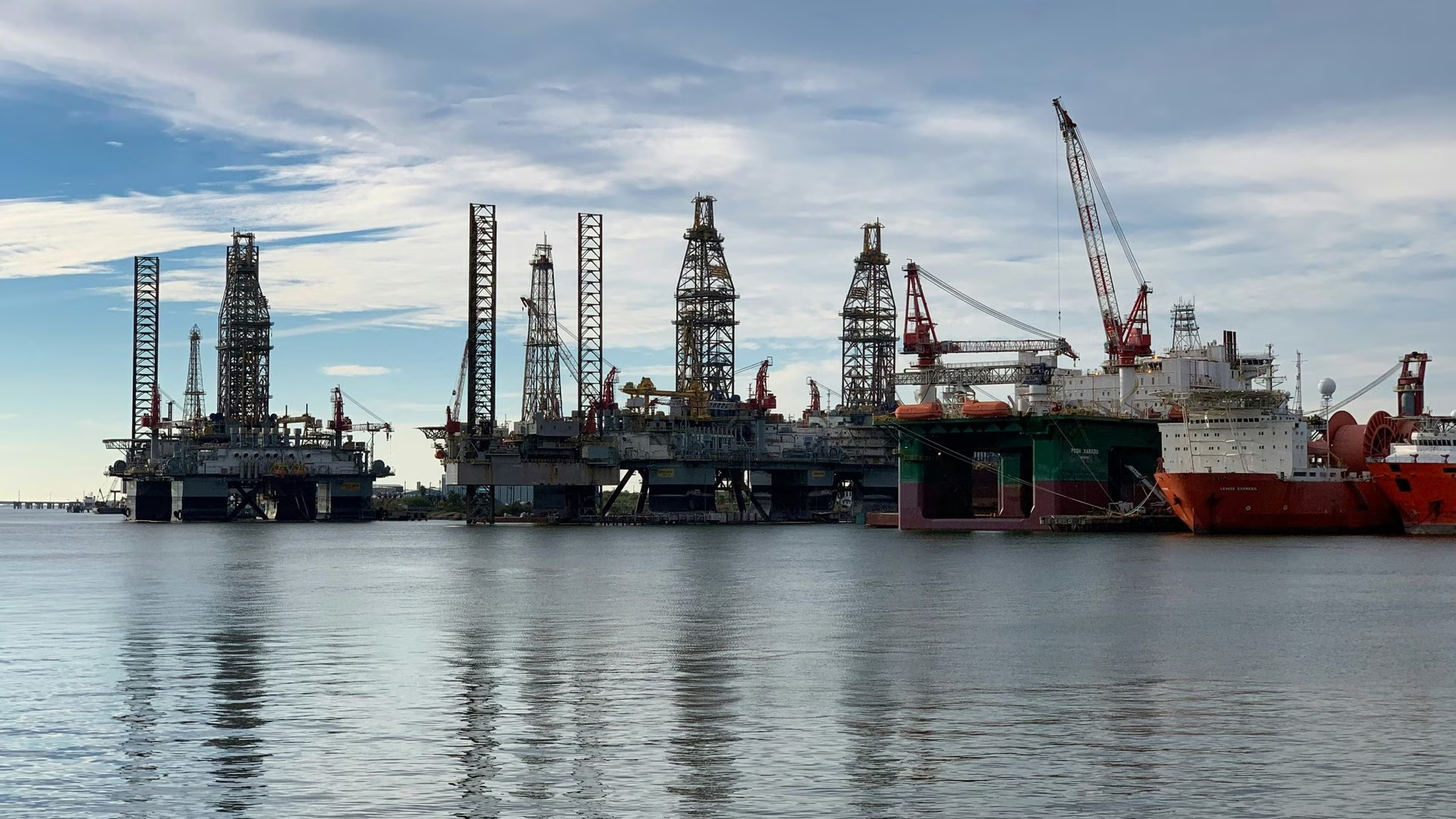
Hackers are probing the Port of Corpus Christi, the largest US gateway for crude oil exports, “hundreds if not thousands” of times a day, its chief executive Kent Britton told the Financial Times. Martha Muir and Ella Lee reported on 22 November that attacks on US ports and cargo ships have escalated sharply in recent months.
The Texas port exports around 2.3mn barrels of crude a day. Britton said the attempts come from “known bad actor” states and organisations looking for high-profile targets. He declined to name them.
“They're poking at our systems and trying to find vulnerabilities. With AI, it'll only get more complicated,” Britton told the FT.
Attackers are also sending fraudulent messages posing as senior executives to trick staff into giving them access, the FT reported.
Breaches at ports and on tankers
The US Coast Guard reported a 17% rise in maritime cyber incidents last year. In August, it investigated cyber attacks on two US-bound oil tankers with the FBI. Hackers got into the ships' networks near the Strait of Gibraltar as they carried crude and liquefied petroleum gas to Galveston, Texas, according to the FT. Investigators have not named suspects.
Also in August, North Carolina Ports said an outside party had attacked its IT systems. Gate openings were delayed and the port switched to manual processing before it contained the attack a day later. Maersk said this month that hackers had stolen data in an intrusion, but that its operations were not affected.
The Port of Los Angeles said it stopped 120mn attempted attacks in August, nearly double its monthly average in 2023. The count includes automated attempts to breach networks, gather passwords and install malware.
Experts link Iran, North Korea and China to hacking operations against shipping, the FT reported. Last week the FBI warned that hackers are using an AI tool called ARTEX to automate attacks. Dragos saw the same tool testing stolen AI keys this month.
Radios, binoculars and paper
Four years ago, Corpus Christi had no dedicated cyber security staff. It is now about to hire its fourth. If an attack gets through, its plans are “very analogue”, Britton said. Tugboats can escort ships, and the harbour master's office can direct traffic with two-way radios, binoculars, paper records and hand signals.
The port is seeking more help from Washington. The Port of Virginia runs monthly training and drills with the Coast Guard and has not suffered a successful breach, spokesperson Joe Harris told the FT. He called the port an economic pinch point that cannot afford to go offline.
Under a Coast Guard rule in force since July 2025, covered US-flagged vessels and port facilities must submit cyber security plans by 16 July 2027. A third tanker was hit by a suspected cyber incident in September.
“If you're playing defence, you have to get it right every time. If you're planning offence, you only have get it right once,” Britton said.