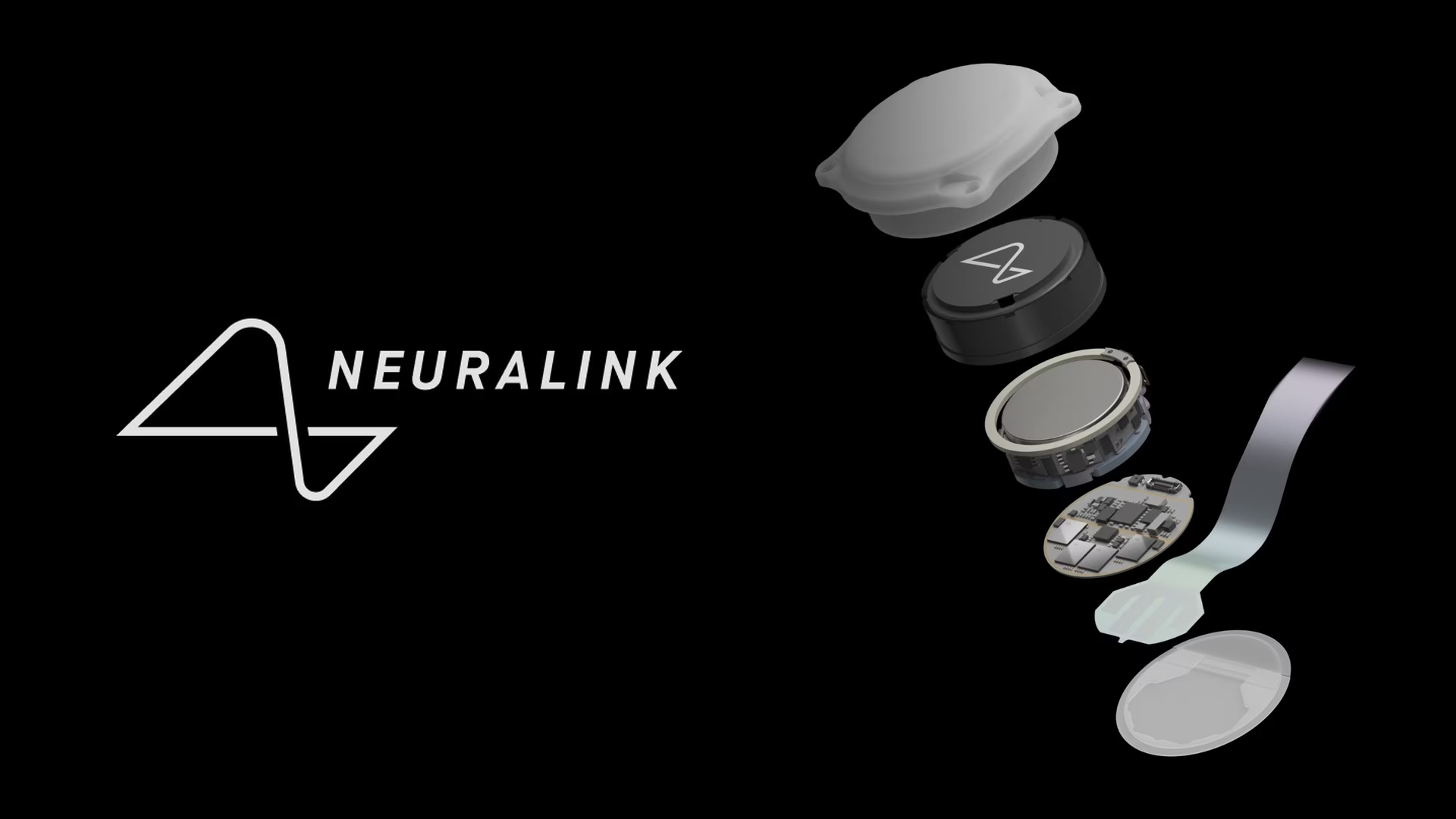
Neuralink has received approval from the US Food and Drug Administration to start a pivotal trial of its brain implant in people with ALS, the company said on Wednesday. Neuralink calls the LINK Pivotal Study the first pivotal trial for an implantable brain-computer interface in the US.
A pivotal trial is the late-stage study a company typically runs before asking the FDA to clear a device for sale. The approval lets Neuralink run that study. It does not authorise wider use of the implant.
The study will test whether people with severe paralysis caused by ALS can control digital devices by thought, with a focus on independence in daily life. It will also keep checking the system's long-term safety and reliability across several clinical sites, Neuralink said.
We've received FDA approval to launch LINK, the first pivotal trial for an implantable brain-computer interface in the US. This builds off of our work with 30+ participants with Neuralink to date.
Those with ALS may be eligible. To learn more: https://t.co/dWhb5N4GdR https://t.co/Vor7iXXCBA
Neuralink (@neuralink) November 25, 2026
Built on more than 30 implants
The trial follows Neuralink's early feasibility studies in the US, Canada, and the UK. More than 30 participants have received the implant so far and have used it for thousands of hours, according to the company.
Enrolment is open to adults in the US with ALS, Digital Trends reported. Neuralink's earlier studies also took people with spinal cord injuries or a brainstem stroke. Each participant gets the implant from Neuralink's R1 surgical robot. They then attend about 24 months of follow-up visits, some of them remote. Neuralink has not said how many people it will enrol.
The startup has raised more than any of its rivals. It closed a $650 million round last year at a $9 billion valuation, Bloomberg reported, citing the Bloomberg Billionaires Index.
Setbacks and rivals
The road here has had problems. Neuralink's first participant ran into major technical issues with his implant in 2024, The New York Times reported, though he said he had no regrets. In 2022, the company faced a federal investigation over its animal tests, Reuters reported.
Competition is growing in the US and abroad. Paradromics put its chip into its first patient in June. China approved a commercial implant the same month and implanted its first patient in July.
Beijing now wants to leapfrog the US by setting standards for brain-computer interfaces and widening their real-world use, the South China Morning Post reported on Thursday.