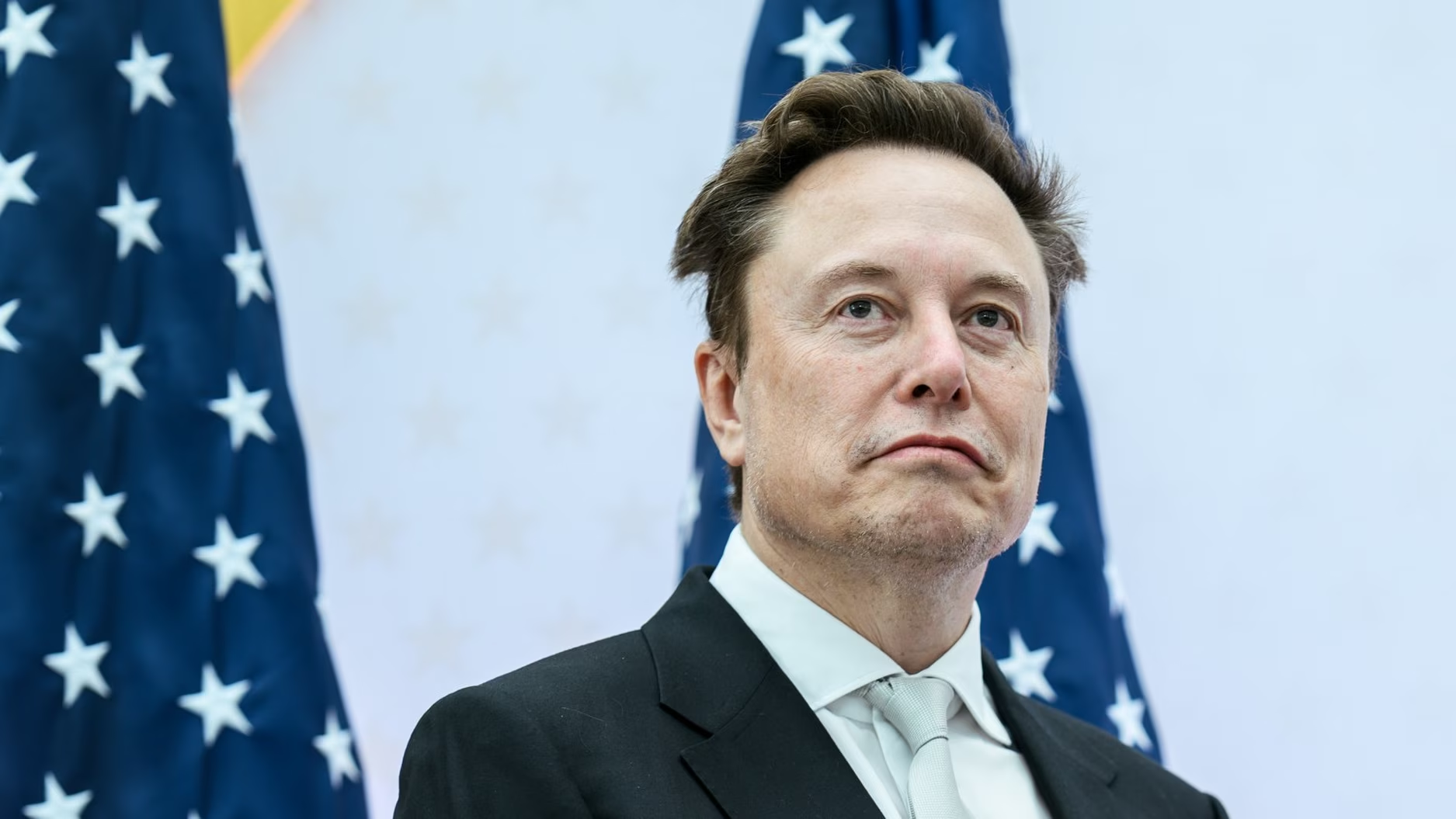
Elon Musk was the biggest donor of the US midterms, and almost all of his money went to Republicans who lost. Texas, his adopted home and the base of Tesla and SpaceX, elected a Democratic senator and governor. On Wednesday, shares in both companies fell by nearly 4% as the wider market rallied.
The totals differ by outlet. Business Insider puts Musk's donations at at least $446 million. A CNBC analysis of campaign finance records counts at least $474 million, as The New York Times does. Of that, $224 million went to Texas. Axios estimates $445 million. Before Tuesday's vote, his record midterm donations were still a bet. Now they are a result.
America PAC, Musk's super PAC, spent nearly $87 million across 44 federal races, CNBC found in filings with the Federal Election Commission. By Wednesday morning, the Republicans it backed had lost 29 and won three. Another 12 races had no winner yet. More than $80 million, or 93% of that spending, went to races Republicans lost.
Texas was the biggest bet
In Texas, Democrat James Talarico beat Republican Ken Paxton for the Senate seat, and Gina Hinojosa unseated Governor Greg Abbott. In September alone, Musk gave $158 million to Senate Republicans' main super PAC, Business Insider reported. That money went on to a group backing Paxton. America PAC spent more than $47 million against Talarico on top of that.
Talarico did not name Musk in his victory speech, as Business Insider reported, but the target was clear:
“The richest man in the world, the most powerful man in the world, and the entire Washington D.C. establishment. David wasn't as big or as strong as Goliath.”
Musk stayed quiet on X for most of election night. He posted just before 1:15am Eastern time, Axios reported:
“Guess my election-interfering space lasers didn't work this time.”
In another post, he joked that data centres in space looked appealing now, a nod to a SpaceX goal. His election day post urging followers to vote red had gone from his account by Wednesday, The Times reported.
The market's verdict
Tesla closed down more than 3% and SpaceX nearly 4%, The New York Times reported. Meta, Microsoft, Google and the wider market rallied. The drops had been steeper before the open. Investor's Business Daily reported falls of up to 6% for Tesla and 8% for SpaceX in premarket trading. SpaceX opened below its $135 IPO price for the first time since August.
Investors are watching the planned SpaceX and Tesla merger. Kathleen Brooks of the broker XTB told The Wall Street Journal:
“While Congress cannot stop a merger between SpaceX and Tesla, they could slow it down via extra scrutiny.”
What a blue Texas changes
Musk's companies rely on state decisions on power, water, permits and tax breaks. Hinojosa has called for a moratorium on new data centres and an end to industry tax breaks, CNBC reported. Republicans still control the Texas Legislature, which limits what she can change. Voters across the country also rejected AI data centres at the ballot box.
Tesla and SpaceX are also building a chip plant in Texas worth more than $100 billion. Senator Ed Markey of Massachusetts gave The Times a statement on how Democrats would use their new power:
“To hold Musk and Tesla accountable for the risk their systems pose to our families and communities.”
Some protections will stay. The Texas law that shields company managers from shareholder lawsuits has support from both parties. It is unlikely to change, University of Texas law professor James Spindler told The Times.
Still a force in the party
Not everyone reads the night as the end of Musk's influence. Alex Keena, a political scientist at Virginia Commonwealth University, told Fortune that the money still shapes the agenda:
“He basically gets to steer a political party.”
Trump still controls the federal agencies and holds a veto, which limits how far Democrats can reverse policies that help Musk's businesses, CNBC noted. Eric Berger of Ars Technica wrote that the result may speed up SpaceX's growth in Louisiana, which remains Republican, where it is already planning a second Starbase.
The next big test is the 2028 presidential race. That gives Musk two years to decide whether Democrats in Washington and Austin are rivals to fight or partners to bargain with.