Australia's digital duty of care bill would bar AI chatbots from building “emotional intimacy” with children. The bill passed the House of Representatives on Wednesday, 28 October, as Josh Butler reported for The Guardian. It now goes to the Senate.
The chatbot rule came in through amendments from independent MP Kate Chaney, which the government accepted on Wednesday. They add certain chatbot conduct to the bill's list of harms. Platforms would have to ban:
“material or conduct that simulates emotional intimacy and encourages or fosters a child's dependence on it in place of human relationships”
The wording covers a child's dependence on a chatbot. It does not cover adults who use AI companions.
Albanese's appeal to the Coalition
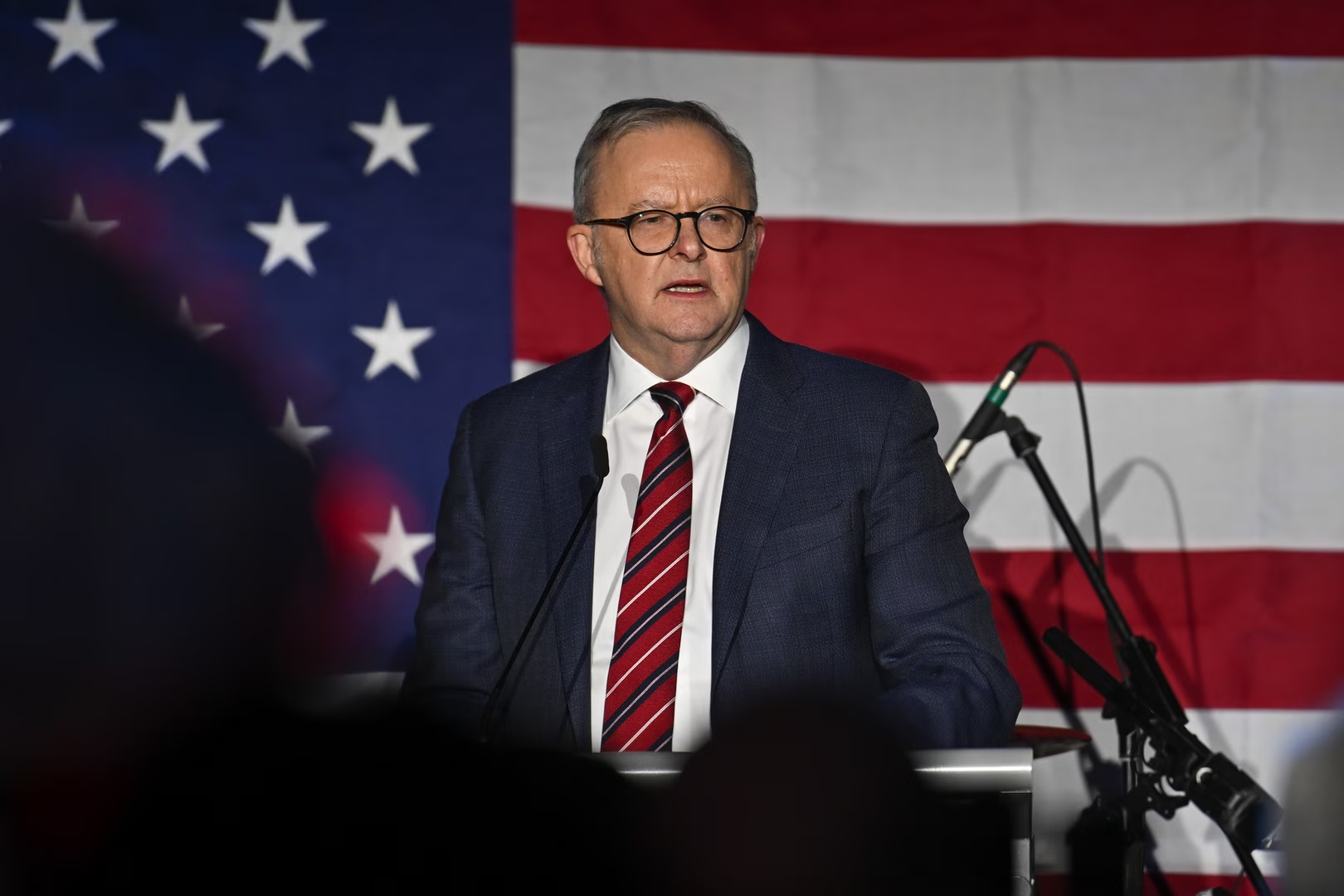
Prime Minister Anthony Albanese made the case for the bill in a speech on Tuesday night. He again asked the opposition Coalition to vote for it.
“The stories we hear about people identifying a chatbot, a non-person as their best friend, should be a huge wake up call for every member of this parliament to be prepared to act,” Albanese said.
The framework would set new online safety standards for social media, games, apps and chatbots. Labor said it places “an overarching obligation” on platforms to keep Australians safe online. It would replace several existing online codes and standards with one broader duty of care.
The bill also makes social media platforms offer an algorithm opt-out. Another Chaney amendment, also accepted, says that opt-out must be “accessible, easy to use” and “prominently available”. Communications Minister Anika Wells has said the laws would capture content that promotes misogyny, terrorism, suicide, self-harm and eating disorders.
The Senate fight
The Coalition and One Nation voted against the bill in the House. Opponents have accused Labor of building an “Orwellian” system of “censorship”, claims Wells has rejected.
“If they really care, the test is simple here, they should bring an amendment, not a slogan to ‘kill the bill',” Wells told ABC radio on Wednesday.
The Greens support the bill and have set up a Senate inquiry, due to report in late November. They want Australians to be able to sue platforms and want higher penalties. Labor hopes the Senate passes the bill by the end of 2026. It says it is open to amendments.
Calls for a big tech ombudsman
Labor is also under pressure to make the telecommunications industry ombudsman a complaints body for social media and AI. Independent MP Sophie Scamps proposed the change, which Labor did not accept in the lower house. The Greens will push for it in the Senate.
The ombudsman, Cynthia Gebert, said her office could take on the role, paid for by big tech.
“We can help with your Telstra account, but we can't help with your Gmail account,” Gebert said.
Australia already has an under-16 social media ban. The chatbot rule follows concerns abroad about AI companions and children.