The hard part of building with AI is no longer getting the code. It is getting the code to run. That gap, between what an AI coding assistant can produce in minutes and what a production system actually needs to stay alive — is the problem Tower is trying to close.
The Berlin-based startup has raised €5.5 million (approximately $6.4 million) across a pre-seed and seed round, backed by investors including Speedinvest and DIG Ventures, with angel participation from some of the most recognisable names in the data infrastructure world.
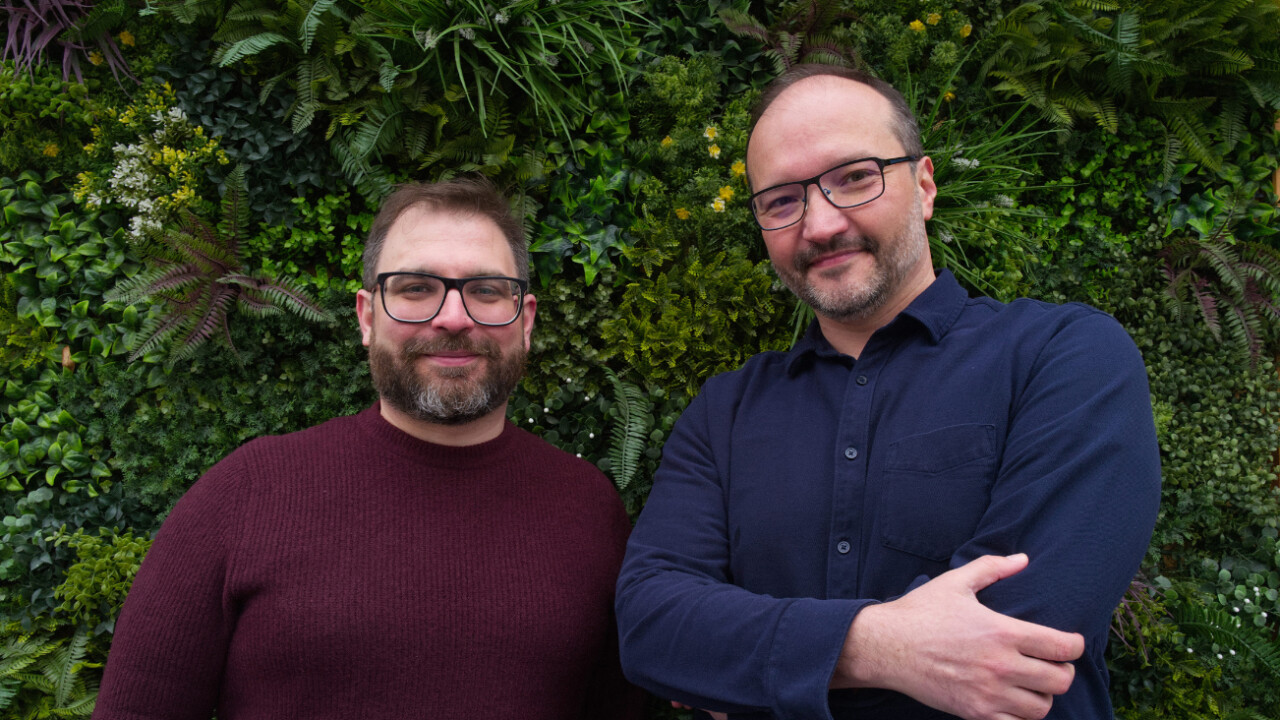
Tower was founded by Serhii Sokolenko and Brad Heller, both former Snowflake engineers who spent years watching engineers struggle not to write data pipelines, but to run them. Sokolenko, the CEO, previously worked in product management at Databricks and Snowflake in Berlin, and at Google Cloud, AWS, and Microsoft in Seattle. Heller, the CTO, worked on Snowflake's control plane. Tower is the third startup for both of them.
Their platform is designed to handle what the press release calls the ‘last mile' of AI-assisted development: the testing, debugging, delivery to production, and ongoing operation of AI-generated code. As Brad Heller puts it, the tooling problem has shifted.
Tower brings storage and compute onto a single platform, built around the Apache Iceberg open table format. Iceberg has become the de facto open standard for analytical storage, compatible with Snowflake, Databricks, and most major data engine vendors, a deliberate choice that means Tower customers retain ownership of their own data and are not locked to a single stack.
The platform also supports AI agents feeding on fresh, company-specific data rather than the stale public internet archives that most foundation models train on.
The pre-seed round was led by DIG Ventures and the seed by Speedinvest, alongside existing investors. Additional backers include Flyer One Ventures, Roosh Ventures, Celero Ventures, and Angel Invest.
The angel syndicate is notable: Jordan Tigani, CEO of MotherDuck and a founding engineer of Google BigQuery; Olivier Pomel, CEO and co-founder of Datadog; Ben Liebald, VP of Engineering at Harvey; and Maik Taro Wehmeyer, co-founder and CEO of Taktile.
The list reads less like a random collection of investors and more like a who's who of the data infrastructure generation that Tower is pitching to succeed, or at least to augment. Tigani, in particular, has spent years arguing that the data industry over-engineered itself for scale it never actually needed; Tower's thesis that AI coding assistants have created a new operational complexity problem sits squarely in that tradition.
Gaurav Saxena, director of engineering at Ford Motor Company, offered a customer-side view. Apache Iceberg, he said, represents genuine strategic value for enterprises, but the operational demands of running it are a real constraint.
Traction figures in the press release, while early, suggest real usage. As of February, a few months after launch, the platform had exceeded 200,000 runs across more than 30,000 unique applications, and its Python SDK had reached 70,000 monthly downloads. These figures are self-reported and unaudited.
Sokolenko frames the company's ambition in terms of where AI-generated output currently fails: not in the generation, but in the grounding.
Speedinvest's Florian Obst, who led the firm's investment, pointed to the multi-tenant architecture as a key differentiator: a platform designed from the start for fast integration and rapid iteration, rather than retrofitted from an enterprise monolith.
Tower will use the new capital to grow its go-to-market team and deepen the platform's capabilities. The market it is entering is competitive, Snowflake, Databricks, and a wave of newer data infrastructure startups are all investing heavily in the same AI-era data engineering story.
What Tower is betting is that none of them are focused specifically on the problem that emerges after the AI finishes writing the code. That bet may prove well-timed. The faster AI coding tools get, the bigger the gap between generated and production-ready becomes. Tower wants to be what fills it.